Build with VibeOnChip

Your product.
My workbench.

Let’s find something useful to build.

Have a device, an API or a developer tool? I’m Niclas. I use AI to develop software and firmware, test ideas on real hardware and turn what I learn into demos people can understand.

Independent builder · QA background · Mantorp, Sweden

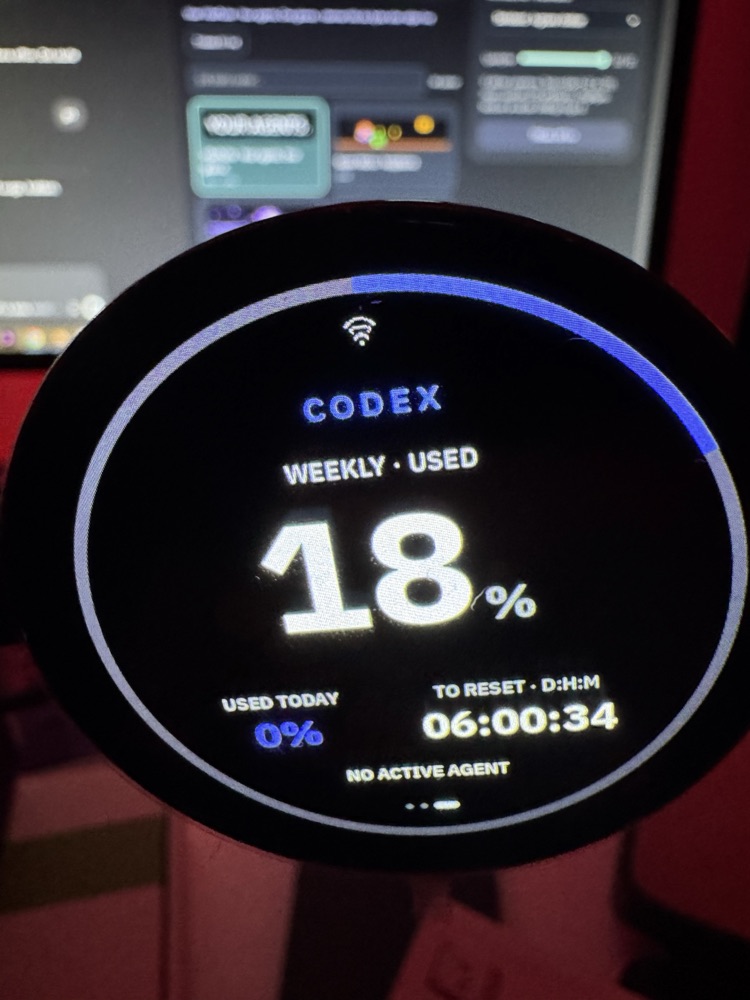
A round VibePulse display showing a photographed Codex usage reading on Niclas’s desk
From my workbenchVibePulse on a real 1.75-inch display. A photographed reading, not live data.

A starting point, not a fixed package

What could we
make with yours?

Bring a product and a question. We’ll choose one useful direction and agree what a good result looks like.

Hardware & devices

Put it to work.

A display, development board, sensor or connected device. Explore a practical use case with software or firmware, then try it on the actual hardware.

For example: could your display make an AI workflow easier to follow?

AI platforms, APIs & developer tools

Give it a use case.

Connect your tool to a small application or physical interface. Explore what its API or SDK enables and find the friction a builder encounters along the way.

For example: what could someone build with your API beyond a chat window?

Demos & documented prototypes

Make it tangible.

Take one idea far enough to demonstrate, test and explain. A focused prototype can help your team assess a direction or show developers where to start.

For example: a working demo, a build walkthrough and the next questions to investigate.

Useful work. Clear handover.

Something to try.
Something to learn.

We agree the deliverables before starting. Depending on the project, that can include:

A working demo
A focused prototype showing the agreed use case, with its current limitations.
Code & setup notes
The agreed source, configuration and steps needed to reproduce the build.
A documented test checkpoint
What was tried, on which setup, what worked and what still needs attention.
A film or build walkthrough
A clear explanation of the result, plus practical feedback on the product and developer experience.

Publication, source access, licensing, ownership and media reuse are agreed together. Hardware or AI credits can support development; commercial work is scoped separately.

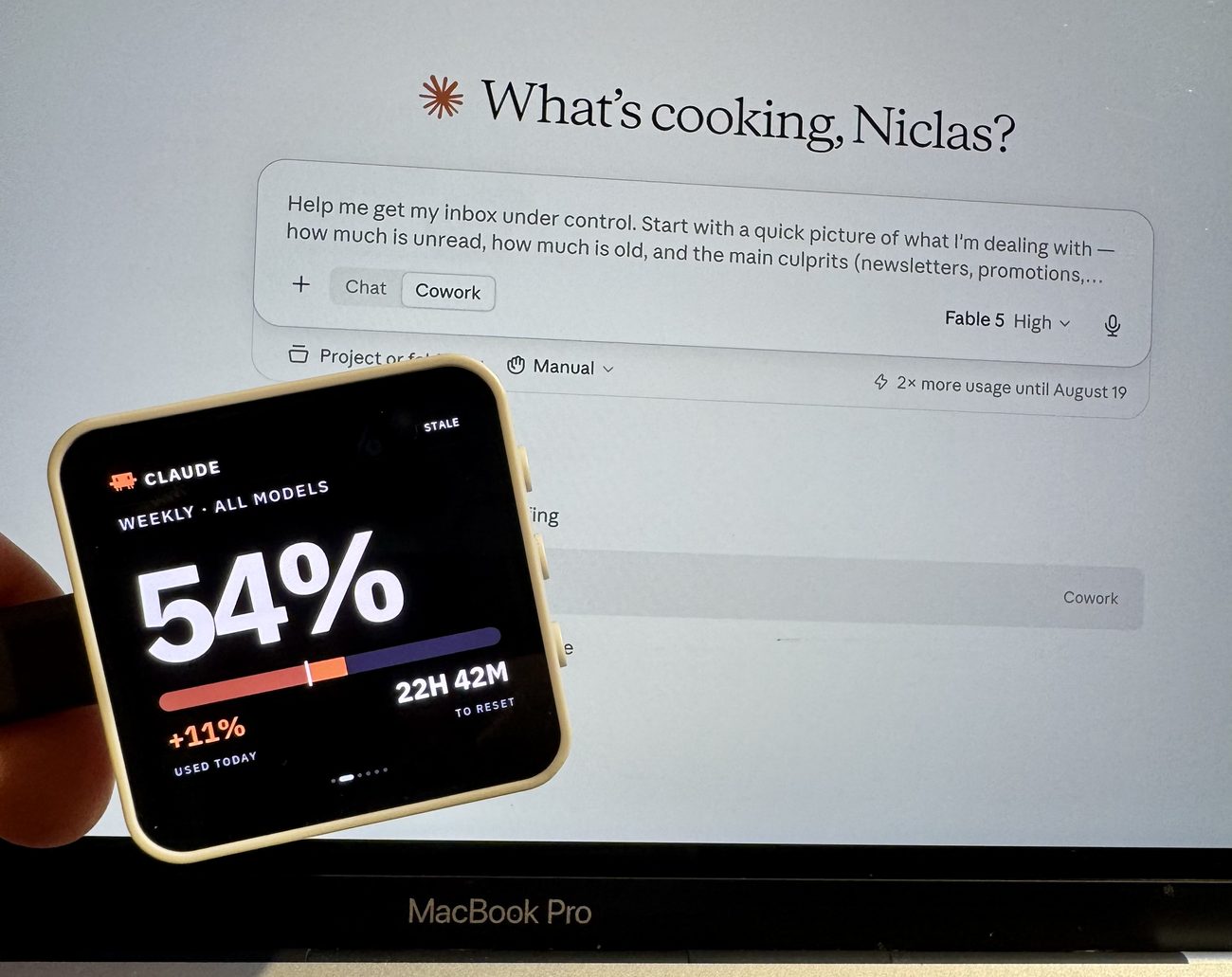
Niclas holding the original square VibePulse display in front of a laptop
The original VibePulse on real hardware. Readings are a photographed snapshot.

From an idea to a build you can inspect

AI usage.
On your desk.

VibePulse brings Claude Code and Codex usage, reset times and agent activity to a dedicated display. The firmware, companion software and setup guides are public under the MIT license.

Waveshare supplied hardware for development and testing. That support gives me devices to build with, check and document. Features and verification still vary by model.

Development hardware supplied by Waveshare. The builds, tests and documentation shown here are VibeOnChip’s own work.

Niclas Vestlund, founder and builder of VibeOnChip
Niclas Vestlund · Founder & builder

You work directly with me

AI helps me build.
I test what it makes.

I founded VibeOnChip in 2026 in Mantorp, Sweden. My background is in QA and testing. I use tools including Claude Code and Codex to help develop software and firmware, then take the work back to the device.

I choose the use case, direct the build, test the result and explain what happened. That includes the parts that need another attempt.

From first message to next decision

One clear experiment.
Then we learn.

  1. Show me the product.

    Send a product link, the use case you’re curious about and any useful docs, API or SDK information.

  2. Agree the scope.

    We check feasibility, choose the outcome and agree resources, timing, commercial terms and what can be shared.

  3. Build, try, document.

    I develop and test the agreed prototype. You get the checkpoints we agreed on, including limitations and open questions.

  4. Review what’s next.

    We look at the result and decide whether to refine it, share it, explore another direction or stop there.

Before we start

A few practical
questions.

Can I send or lend you a product?

Yes, let’s discuss the product first. We’ll agree suitability, shipping, any return arrangements and what work is in scope before you send it. A hardware sample doesn’t automatically include a review or a development project.

Does it need to be a display or an AI product?

No. Displays are where much of the current work is, but I’m interested in other devices, APIs and developer tools. Share what you have and what you want to explore; we’ll check access, documentation and feasibility first.

Is this paid work, sponsorship or product support?

It can take different forms. A focused project can have a commercial scope. Hardware, development access or AI credits can support exploration. We agree expectations and any public disclosure up front.

Who owns the code, and can we use the demo?

We agree source access, ownership, licensing, publication and reuse rights before building. VibePulse’s existing MIT license doesn’t automatically apply to a new collaboration. Private prototypes and public builds are both topics to discuss.

Will you publish a video or recommend the product?

Only if that is part of our agreement. We decide what may be shown and when. The outcome is reported honestly; a positive recommendation, audience reach or sales result is not guaranteed.

Will the prototype be ready for production?

A prototype helps answer a defined question. It isn’t a product certification or a promise of production readiness. The handover should make the tested setup, known limits and further work clear.
Have something in mind?

Bring your product.
Let’s find its
next possibility.

Tell me what it is, what you’d like to explore and what a useful result would be. A short first message is enough.

A helpful first message

  • Your company and a product link
  • The use case or question to explore
  • Docs, SDK or API links
  • Available hardware, access or resources
  • Your desired outcome and timing
Discuss your product

Opens an email draft with these prompts. Send it when you’re ready.

Please share documentation links, not passwords or API keys.